Get Conduit Installation
Conduit installation services help property owners run electrical, data, or communication cables through walls, floors, or ceilings, supporting various renovation or new construction projects.
Property owners considering conduit installation often seek reliable local contractors to handle the project efficiently and effectively. Whether upgrading existing electrical systems, expanding infrastructure, or ensuring compliance with safety standards, having skilled professionals manage the work can provide peace of mind and help ensure the job is done correctly. Exploring your options and comparing local service providers can help identify experienced contractors who understand the specific needs of your property and area.
Continuing to review your local choices allows property owners to find qualified contractors capable of planning and executing conduit installation projects suited to their property's requirements. By connecting with reputable local service providers, you can gather the information needed to make informed decisions about your property’s electrical infrastructure. Keep reading to learn more about how local pros can assist with your conduit installation needs.
- Commercial Buildings - businesses requiring conduit installation for electrical systems in offices, retail spaces, or industrial facilities.
- New Construction Projects - contractors seeking conduit setup during the development of residential or commercial buildings.
- Renovation and Remodels - property owners updating existing electrical infrastructure to meet current standards.
- Data Center Installations - facilities needing conduit work for data cabling and network infrastructure.
- Industrial Facilities - factories and warehouses that require conduit systems for machinery and equipment wiring.
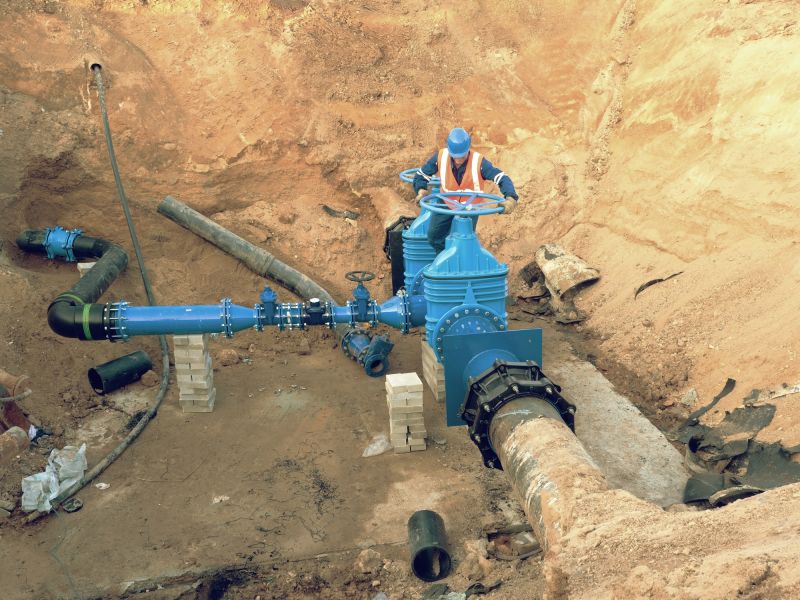
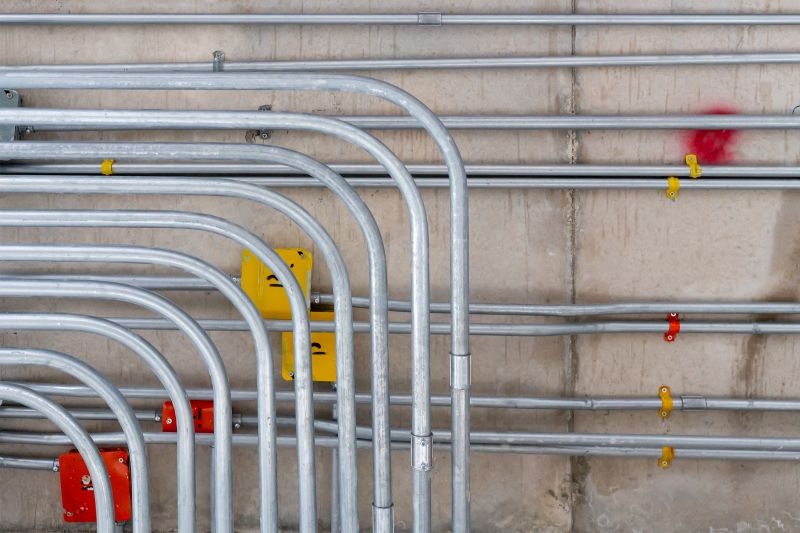
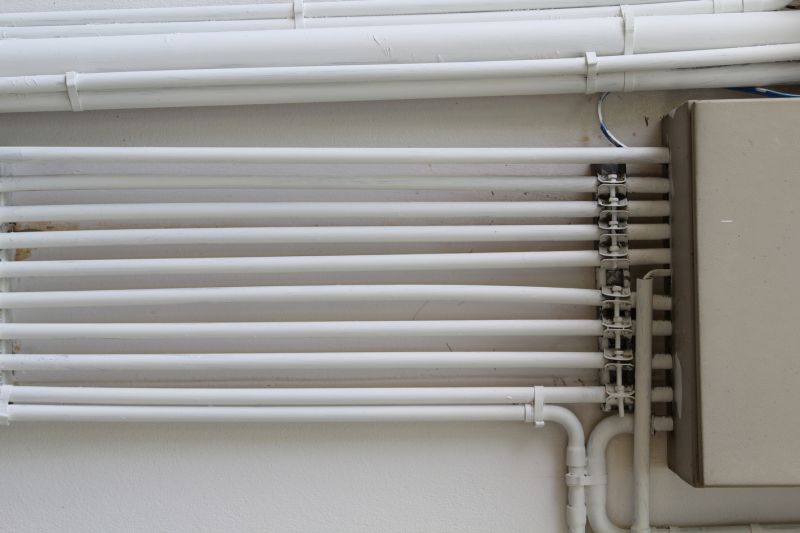
Conduit installation services involve setting up the primary pathways through which electrical wiring is routed inside a property. This process includes selecting the appropriate conduit type-such as metal or plastic-and properly securing it to walls, ceilings, or floors. Proper conduit installation ensures that electrical cables are protected from physical damage, environmental factors, and general wear over time. Skilled service providers evaluate the building’s layout and electrical needs to design a conduit system that meets safety standards and supports future upgrades or additions.
This service is essential for addressing common electrical problems like damaged wiring, outdated systems, or the need for increased capacity. When electrical cables run through exposed or poorly protected areas, they are vulnerable to accidental damage, which can lead to shorts, outages, or fire hazards. Conduit installation helps prevent these issues by providing a durable, enclosed pathway for wires. It also simplifies future repairs or upgrades, as cables can be pulled through the conduit without the need for extensive wall or ceiling removal.
Conduit installation is often required during new construction projects, renovations, or electrical upgrades in residential, commercial, and industrial properties. Homeowners may seek this service when installing new electrical systems, upgrading existing wiring, or adding circuits for appliances or outdoor lighting. Commercial properties, such as office buildings or retail spaces, frequently rely on conduit systems to organize and protect complex wiring networks. Industrial facilities with heavy machinery or specialized equipment also benefit from conduit installation to ensure reliable and safe electrical performance.
Homeowners and property managers typically consider conduit installation when they notice issues like exposed wiring, frequent electrical faults, or the need for a more organized wiring layout. It is also a practical solution for properties undergoing renovations or expansions that require additional electrical capacity. By working with experienced local contractors, property owners can ensure that conduit systems are installed correctly, providing a safer and more reliable electrical infrastructure that supports the property’s needs now and in the future.
The overview below groups typical Conduit Installation projects into broad ranges so you can see how smaller, mid-sized, and larger jobs often compare in your area.
In many markets, a large share of routine jobs stays in the lower and middle ranges, while only a smaller percentage of projects moves into the highest bands when the work is more complex or site conditions are harder than average.
Smaller Repairs - For minor conduit fixes or replacements, local contractors typically charge between $250 and $600. Many routine jobs fall within this range, depending on the complexity and materials involved.
Partial Replacement - When replacing sections of conduit or upgrading existing systems, costs generally range from $1,000 to $3,000. Larger projects of this type are less common but can occasionally reach higher amounts.
Full System Replacement - Replacing an entire conduit system often costs between $4,000 and $8,000. These projects are more extensive and tend to be less frequent, with some complex installations exceeding $10,000.
Complex or Custom Installations - Custom or highly complex conduit installations can vary widely in cost, typically starting around $5,000 and potentially exceeding $15,000. Many projects in this category are specialized and fall into the higher end of the range.
Actual totals will depend on details like access to the work area, the scope of the project, and the materials selected, so use these as general starting points rather than exact figures.
Electrical Wiring Projects - These projects involve planning and installing complex wiring systems, requiring skills similar to conduit installation to ensure safe and efficient electrical connections.
Data and Communication Cabling - Installing structured cabling for data networks involves similar planning, tool use, and conduit pathways to protect and organize communication lines.
Lighting System Installations - Setting up interior or exterior lighting often requires conduit routing and precise planning, paralleling the skills needed for conduit installation services.
Security System Wiring - Running wiring for security cameras and alarm systems involves conduit planning and installation, making it comparable in skill and approach to conduit work.
Electrical Panel Upgrades - Upgrading or replacing electrical panels often involves conduit rerouting and coordination with existing wiring infrastructure, similar to conduit installation tasks.
Industrial Electrical Projects - Large-scale industrial wiring and conduit systems require detailed planning and installation expertise akin to conduit installation services.
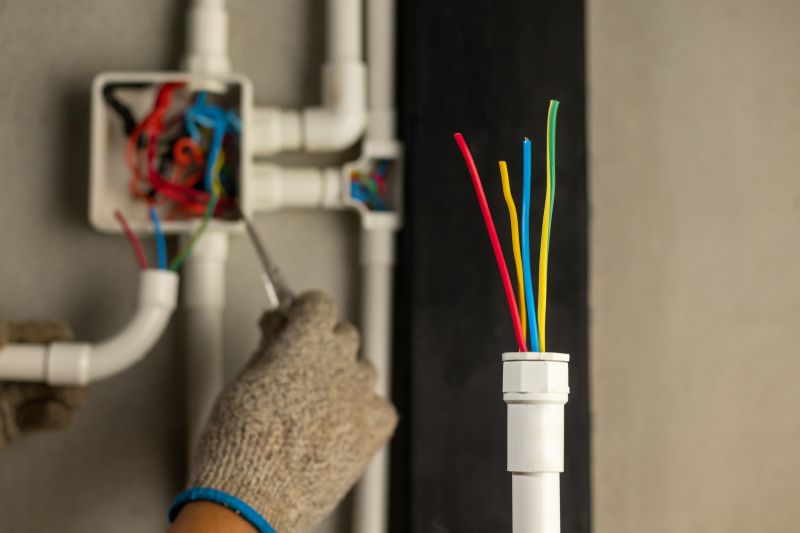
When comparing service providers for conduit installation, it’s important to consider their experience with similar projects. Homeowners should look for local contractors who have a proven track record of handling conduit work comparable to the scope of the project at hand. This experience can indicate familiarity with the specific challenges that might arise and suggest a level of expertise that can contribute to a smoother installation process. Asking for examples of past work or references related to conduit installation can provide insight into a contractor’s familiarity with the requirements and standards typical for these types of projects.
Clear, written expectations are essential when evaluating local pros for conduit installation. Homeowners should seek providers who can offer detailed descriptions of the services they provide, including the scope of work, materials used, and any relevant procedures. Having this information in writing helps ensure that everyone is aligned on what the project entails, reducing the potential for misunderstandings or surprises later on. A transparent approach to outlining project details also demonstrates professionalism and a commitment to clear communication throughout the process.
Reputable references and good communication are key factors in choosing the right local contractor for conduit installation. Homeowners should inquire about references from previous clients who had similar work completed, as this can reveal insights into the contractor’s reliability, quality of work, and professionalism. Additionally, effective communication-such as responsiveness to questions, clarity in explanations, and availability for discussions-can make the project experience more straightforward and less stressful. While the site introduces homeowners to local options, it’s important to remember that the actual work will be performed by trusted service providers who can meet these criteria.
Property owners use Conduit Installation services for practical projects around their homes and businesses. This guide focuses on everyday jobs and straightforward project options.
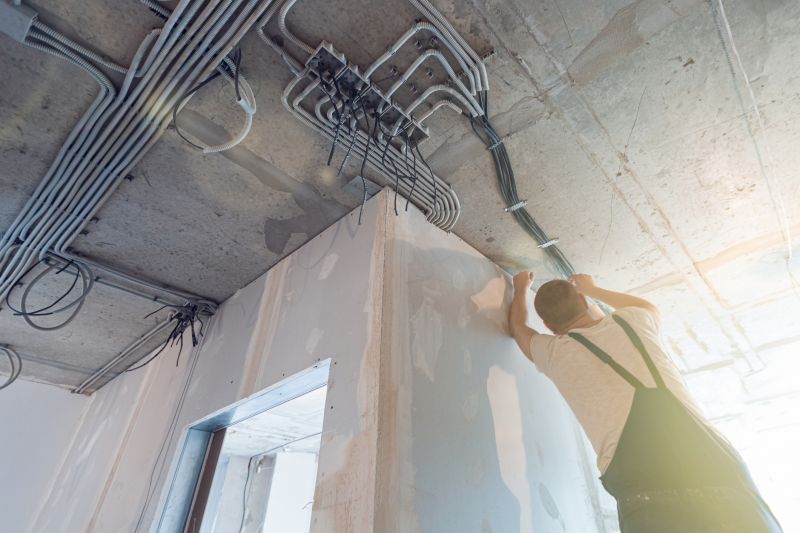
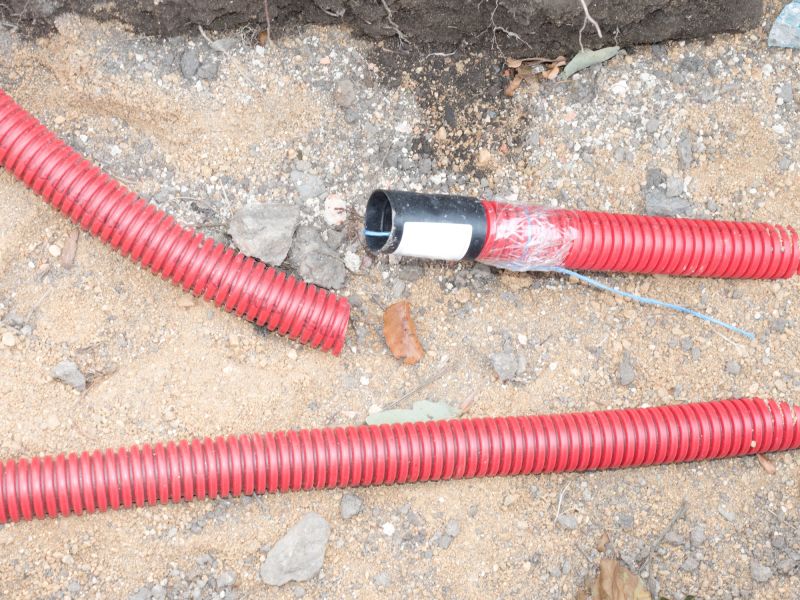
Conduit installation services are often needed when property owners are upgrading or expanding their electrical systems, replacing outdated wiring, or adding new appliances that require additional power sources. Local contractors can assist with running new conduits through walls, basements, or outdoor areas to ensure that electrical wiring is properly protected and organized. These projects are common during home renovations, new construction, or when making improvements that require increased electrical capacity.
Property owners in the area might also seek conduit installation when addressing safety concerns or preparing for future electrical needs. Proper conduit work helps prevent damage to wires from environmental factors or accidental impacts, which can be especially important in outdoor or exposed locations. Local service providers can handle these tasks efficiently, offering solutions that support the ongoing safety and functionality of residential or commercial properties.
What is conduit installation? Conduit installation involves setting up protective tubing to route and safeguard electrical wiring within a building or outdoor space.
Why should I hire local contractors for conduit installation? Local contractors have knowledge of the area’s building codes and can provide tailored solutions for conduit setup in your property.
What types of conduit are commonly used in installations? Common types include electrical metallic tubing (EMT), flexible conduit, and rigid PVC conduit, depending on the application.
Can conduit installation be integrated with existing wiring systems? Yes, experienced service providers can coordinate conduit setup with existing electrical systems to ensure proper routing and safety.
What should I consider when choosing conduit installation services? Consider the experience of local contractors, their understanding of local building requirements, and their ability to recommend suitable conduit types for your project.
Conduit Installation for New Construction - Property owners building a new home can ensure proper electrical wiring by having conduits installed during the construction process.
Upgrading Existing Electrical Systems - Homeowners planning to expand or modernize their electrical setup might need conduit installation to accommodate additional wiring safely.
Protecting Underground Cables - Property owners installing outdoor lighting or security systems can use conduit services to safeguard underground cables from damage.
Retrofitting Older Buildings - Those renovating historic or older properties may seek conduit installation to update wiring while preserving the building’s integrity.
If you are thinking about Conduit Installation for a property, this guide is meant to help you understand the work, the typical project types, and how different options might fit your plans.
When you are ready, you can use the quote form on this page to share a few details about your project. From there, local pros can review the basics and respond with options that match what you have in mind.